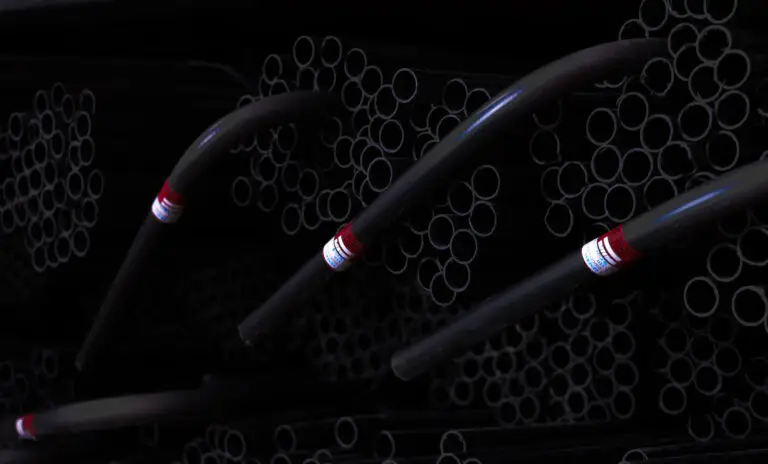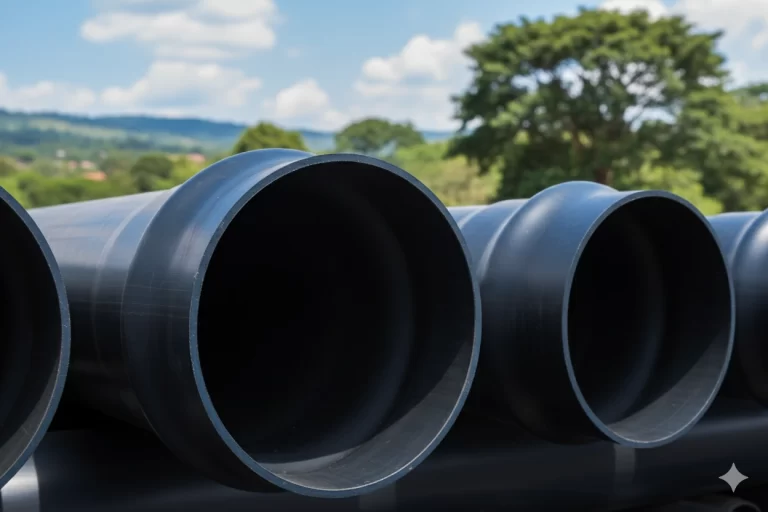
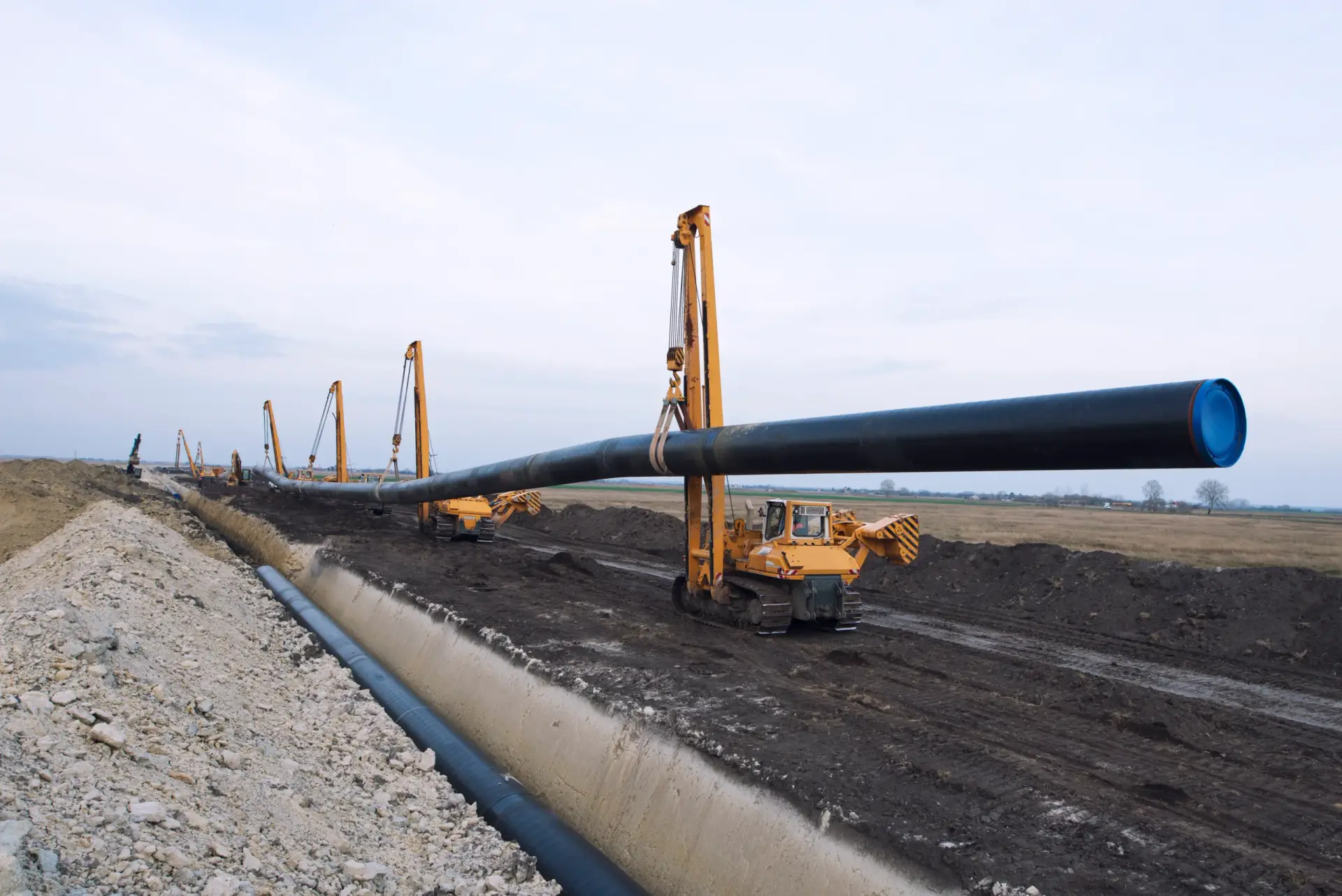
Pipes are a critical component of infrastructure and construction projects. From water supply systems and irrigation networks to electrical installations and sewer lines, the performance of these systems largely depends on the quality of the pipes used.

Why the Right Pipe Manufacturer Matters
Contractors therefore need reliable pipe manufacturers who can deliver products that meet technical requirements, comply with standards, and remain consistent throughout the life of a project.
Choosing the wrong supplier can lead to project delays, system failures, or expensive maintenance. In Kenya, regulators have even seized and destroyed large quantities of substandard plastic pipes after inspections revealed they did not meet required standards, highlighting the risks of poor-quality products in the market.
For contractors working on residential, commercial, irrigation, or infrastructure projects, selecting the right pipe manufacturer is a critical decision. This guide outlines five key factors contractors should evaluate when choosing a pipe manufacturer in Kenya.
Product Quality and Compliance with Standards
The most important factor contractors should consider is whether the manufacturer produces pipes that meet recognized quality standards.
In Kenya, construction materials must comply with the requirements set by the Kenya Bureau of Standards (KEBS). Manufacturers that meet these requirements are issued the Standardization Mark (SM), which confirms that their products have been tested and verified to comply with national standards. Pipes without proper identification marks or certification can be removed from the market, and suppliers dealing in substandard products may face legal action.
Quality also depends on the manufacturing process and raw materials used. Reputable manufacturers use certified materials such as uPVC, HDPE, and PPR resins that meet international specifications. For example, many high-quality HDPE pipes are produced according to ISO standards and carry KEBS certification to ensure safety and performance in water and infrastructure systems.
Contractors should therefore verify the following before choosing a manufacturer:
KEBS Standardization Mark certification
Compliance with international standards such as ISO
Consistent pipe wall thickness and pressure ratings
Product traceability and identification markings
Using certified pipes ensures that the system will perform safely and comply with project specifications.
Range of Pipe Products and Sizes
Construction and infrastructure projects often require different types of pipes for different applications. A contractor working on a housing project, for example, may need pressure pipes for water supply, conduits for electrical wiring, and drainage pipes for wastewater systems.
Working with a manufacturer that offers a wide range of products simplifies procurement and logistics. Instead of sourcing pipes from multiple suppliers, contractors can obtain compatible products from a single manufacturer.
Typical pipe categories contractors may need include:
uPVC pressure pipes for water supply
HDPE pipes for irrigation and large water networks
PPR pipes for hot and cold water plumbing
Electrical conduits for wiring protection
Sewer and drainage pipes
Manufacturers that produce pipes in multiple diameters, pressure classes, and fittings provide greater flexibility during installation. This also helps contractors maintain compatibility across entire pipeline systems.
Another advantage of a broad product range is the availability of matching fittings and accessories. Having compatible fittings from the same manufacturer reduces the risk of leaks or connection failures.
Manufacturing Capacity and Consistent Supply
Construction projects often operate under strict timelines, and delays in material supply can significantly disrupt project schedules. For this reason, contractors should evaluate a manufacturer’s production capacity and supply reliability.
Large infrastructure projects such as water distribution networks, irrigation systems, and building developments require large volumes of pipes delivered consistently over time. Manufacturers with strong production capacity can handle bulk orders while maintaining consistent product specifications.
Key indicators of reliable manufacturing capacity include:
Modern manufacturing equipment
Automated production processes
Quality control systems
Ability to fulfill large orders within short timelines
Consistency is also important. Pipes supplied in different batches should maintain the same dimensions, pressure ratings, and quality levels to ensure compatibility during installation.
Manufacturers with established distribution networks and reliable logistics systems are also better positioned to deliver materials on schedule, helping contractors avoid costly project delays.
Technical Support and Industry Experience
A good pipe manufacturer does more than simply sell products. Experienced manufacturers often provide technical support that helps contractors select the right products for specific applications.
Different projects require different pipe specifications depending on factors such as pressure requirements, temperature conditions, soil environment, and installation methods. Contractors benefit greatly from manufacturers who can provide guidance on:
Pipe selection for different applications
Recommended pressure ratings
Installation best practices
Jointing methods and compatibility
For example, water distribution systems require pipes that meet strict health and durability requirements. Industry guidelines recommend that pipe manufacturers supplying water systems should hold quality management certifications such as ISO 9001 and provide product documentation confirming compliance with relevant standards.
Manufacturers with experienced technical teams can help contractors avoid installation errors, reduce maintenance issues, and ensure long-term system performance.
The reputation of a pipe manufacturer is another critical factor contractors should consider. Companies with a strong track record in the industry are more likely to deliver reliable products and professional support.
Contractors can evaluate a manufacturer’s reputation by considering several factors:
Years of operation in the Kenyan market
Projects supplied to (construction, irrigation, infrastructure)
Recommendations from engineers and contractors
Customer reviews and industry feedback
Manufacturers with long-standing market presence typically have established quality control processes and reliable supply chains. Their products are often tested across many projects, which provides confidence in their performance.
Additionally, reputable manufacturers are more likely to offer warranties and after-sales support, giving contractors added assurance when using their products.
Before choosing a supplier, contractors should conduct a simple evaluation process. This helps ensure the selected manufacturer can meet the project’s quality and supply requirements.
A practical evaluation checklist includes:
Confirm KEBS certification and product markings
Review product specifications and pressure ratings
Request sample pipes or technical documentation
Assess production capacity and delivery timelines
Verify the manufacturer’s experience in similar projects
Where possible, contractors may also visit the manufacturing facility or request references from previous projects.
This process helps reduce the risk of purchasing substandard products and ensures the pipes used in a project meet required performance standards.
Conclusion
The quality of pipes used in construction projects plays a major role in determining the reliability and longevity of infrastructure systems. Contractors in Kenya must therefore carefully evaluate pipe manufacturers before selecting a supplier.
Key factors to consider include product quality and standards compliance, product range, manufacturing capacity, technical support, and industry reputation. Manufacturers that meet these criteria are more likely to provide consistent products and dependable supply.
By partnering with experienced and certified pipe manufacturers, contractors can ensure smoother project execution, reduce maintenance risks, and deliver durable infrastructure systems that meet industry standards.