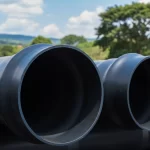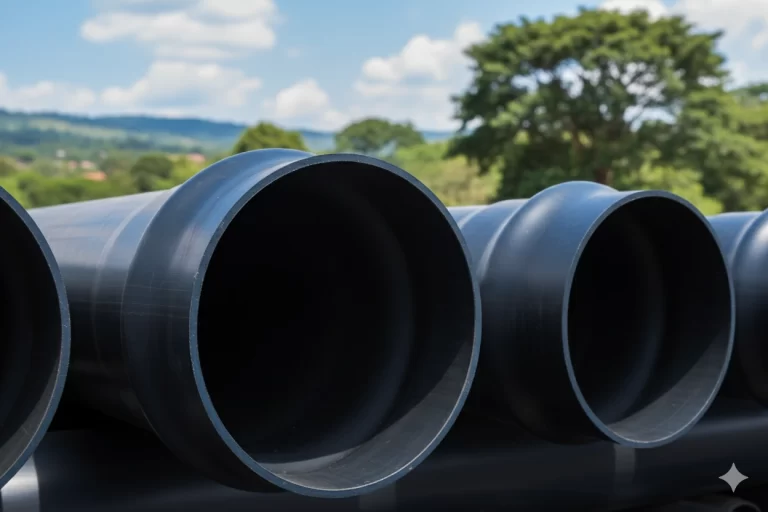
HDPE pipes are widely used for water supply, irrigation, sewer lines, and industrial applications because of their strength and flexibility.

HDPE Pipe Installation Best Practices for Durable and Leak-Free Systems
HDPE pipes are known for their flexibility, corrosion resistance, and long service life. To get the best performance, proper installation techniques must be followed from jointing to trenching and handling.
This article explains the best practices for HDPE pipe installation to ensure strong joints and long-term reliability.
Butt Fusion: The Most Common HDPE Joining Method
Butt fusion welding is widely used for HDPE pipe installation because it creates strong and permanent joints. The pipe ends are heated and joined under pressure, forming a seamless connection.
This method is ideal for water supply lines, irrigation systems, and long pipeline runs. To achieve quality joints, the pipe ends must be clean, aligned correctly, and fused at the recommended temperature and pressure.
Electrofusion for Repairs and Tight Spaces
Electrofusion is often used where butt fusion is not practical. It uses fittings with embedded heating wires that fuse the pipe and fitting together.
This method is commonly used for repairs, branch connections, and installations in restricted areas. Proper pipe surface preparation and accurate fusion time are essential for reliable joints.
Importance of Proper Trenching
Trenching plays a major role in HDPE pipe performance. Trenches should be free from sharp rocks and debris that could damage the pipe.
A smooth bedding layer supports the pipe evenly and prevents point loads. After installation, backfilling should be done carefully to avoid pipe movement or deformation.
Safe Handling and Storage of HDPE Pipes
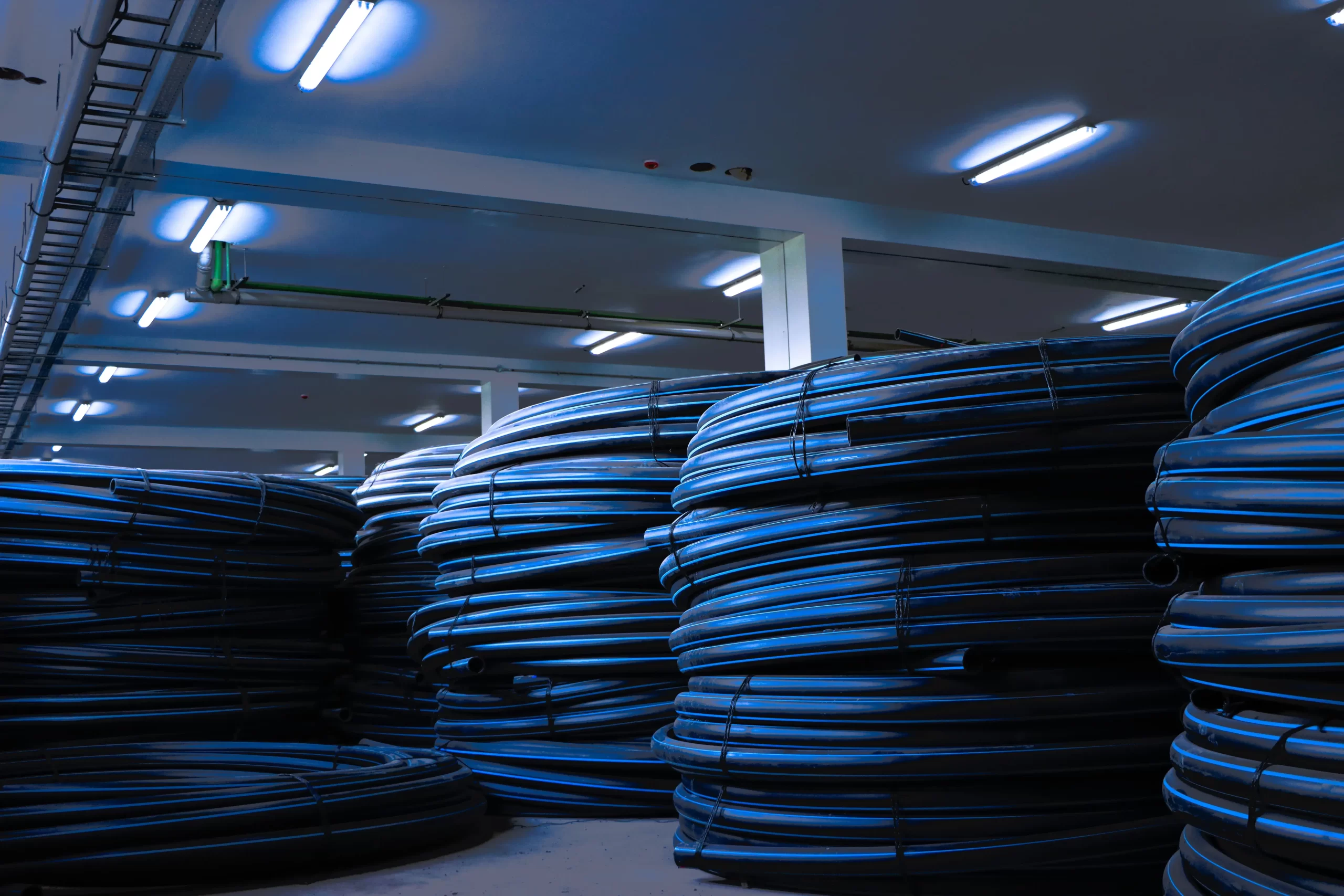
Handling damage is one of the most common causes of HDPE pipe failure. Pipes should never be dragged over rough surfaces. Use lifting straps or equipment where possible.
Store pipes away from sharp objects and excessive loads. Proper storage and handling help maintain pipe integrity before and during installation.
Conclusion
Following correct HDPE pipe installation techniques improves system durability and reduces maintenance costs. Butt fusion and electrofusion ensure strong joints, while proper trenching and careful handling protect the pipe throughout its service life.
Tags:hdpe pipes