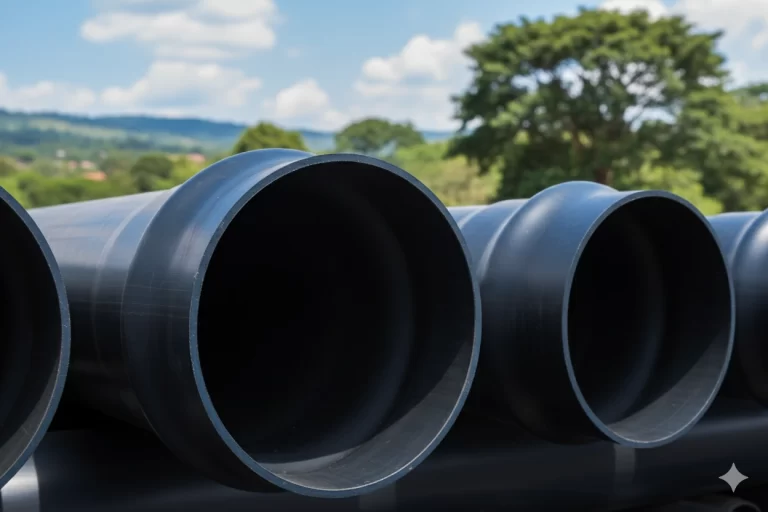
In commercial horticulture, the irrigation pipe you select directly impacts pressure stability, fertigation efficiency, system lifespan, and overall operating costs.

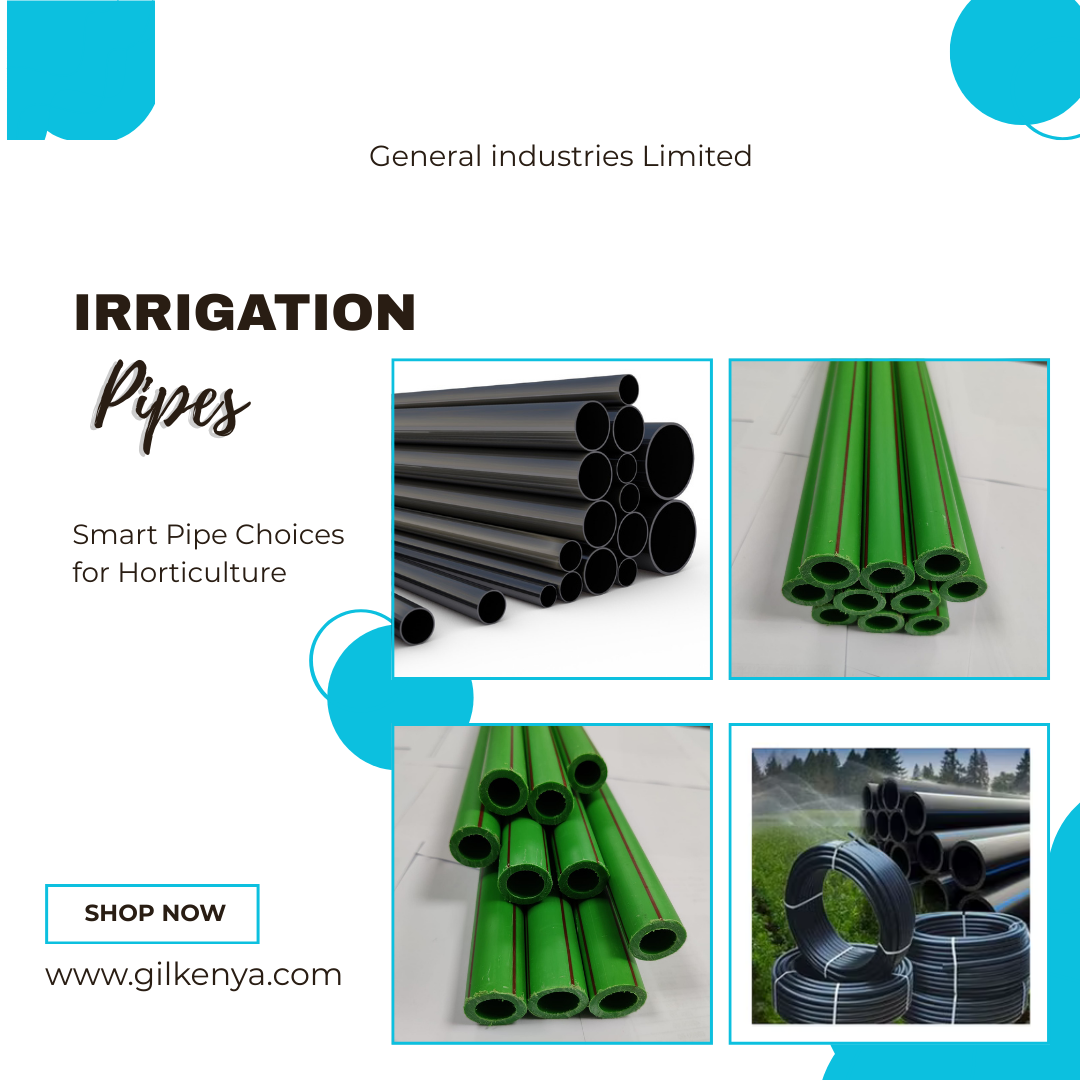
Choosing the Right Irrigation Pipe for Horticulture in Kenya
Whether you’re running drip irrigation for vegetables, high-pressure sprinkler systems for orchards, or greenhouse irrigation networks supplied by a borehole pump, choosing the right material is critical.
In Kenya, most professional irrigation systems rely on HDPE pipes, uPVC pressure pipes, or PPR pipes, each serving different roles within farm water distribution.
This guide compares HDPE vs uPVC pipes for irrigation, explains where PPR fits in farm water supply, and helps you determine the best irrigation pipes in Kenya based on pressure requirements, layout, and long-term cost performance.
HDPE Pipe for Irrigation Systems
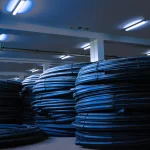
HDPE pipes are widely used in horticulture irrigation because they handle long-distance distribution and adapt well to uneven farm terrain. For drip irrigation systems in vegetables, orchards, and export crops, HDPE is commonly used for mainlines and sub-mains due to its flexibility and compatibility with compression fittings and fusion joints.
Available in pressure classes such as PN6, PN10, and PN16, HDPE pipes can be selected based on pump output and field layout. When sourcing HDPE pipe for drip irrigation, horticulture managers should work with manufacturers that provide consistent wall thickness, verified pressure ratings, and reliable supply continuity especially during peak planting seasons.
uPVC Pressure Pipes for Agriculture
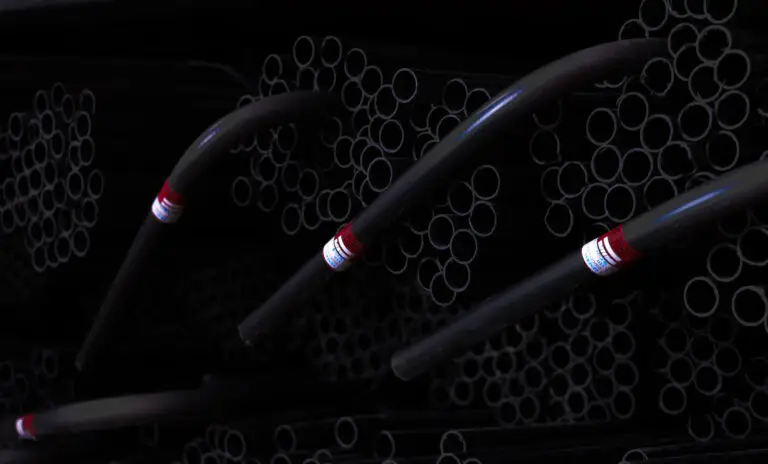
uPVC pressure pipes are typically used in high-pressure sections of irrigation systems, particularly in borehole discharge lines and pump-to-tank connections. In sprinkler irrigation setups or high-output pump systems, pressure stability is critical, and uPVC is often preferred for these mainlines.
For horticulture farms operating year-round, the quality of joints and dimensional accuracy is essential. Choosing a supplier with strict quality control and standardized fittings reduces the risk of leakage, misalignment, and pressure drops across long irrigation networks.
PPR Pipes for Farm Water Supply
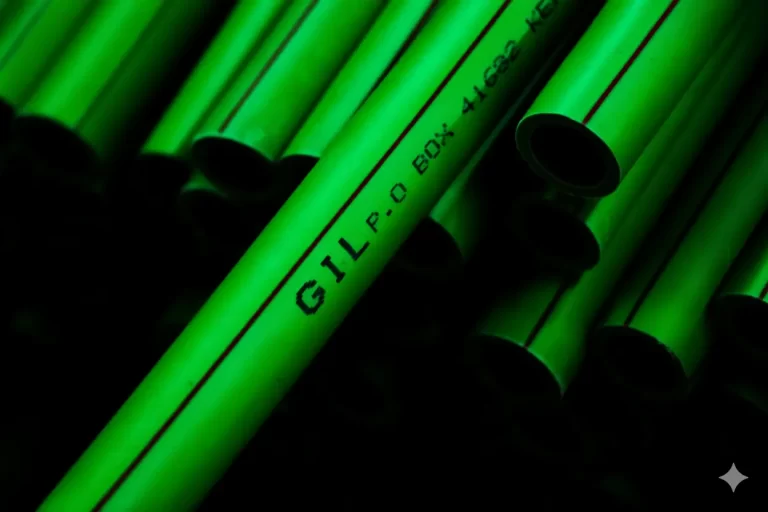
PPR pipes are generally installed in controlled environments such as greenhouses, fertigation rooms, and packhouses. They are suitable for structured plumbing where internal routing and organized water distribution are required.
In commercial horticulture operations, PPR is not typically used for open-field irrigation but plays an important role in the overall water management system. Sourcing all pipe materials from a single reliable supplier can simplify procurement and ensure compatibility across systems.
HDPE vs uPVC Pipes for Irrigation: What Horticulture Professionals Should Consider
When comparing HDPE vs uPVC pipes for irrigation, decision-makers usually evaluate four factors: pressure handling, installation method, farm layout, and long-term system reliability.
Pressure Handling
- uPVC performs well under sustained high pressure.
- HDPE performs efficiently in moderate-pressure distribution systems.
Flexibility & Terrain Adaptability
- HDPE is suitable for large farms with uneven topography.
- uPVC requires straight-line installation and careful alignment.
Installation & Jointing
- HDPE uses fusion or compression fittings.
- uPVC uses solvent weld or rubber ring joints.
For high-pressure irrigation pipes in horticulture, many commercial farms combine uPVC for mainlines and HDPE for distribution a practical approach that balances cost and performance.
Working with a manufacturer that supplies both materials allows farm engineers to design integrated systems without compatibility issues.
Best Irrigation Pipes in Kenya Based on Farm Type
Smallholder Farms
HDPE is often preferred due to flexibility and ease of installation.
Large-Scale Horticulture Farms
Most commercial farms operate hybrid systems:
- uPVC pressure pipes for borehole and high-pressure mainlines
- HDPE pipes for field distribution and drip irrigation
Consistency in pipe dimensions and pressure ratings is critical at this scale, making dependable local supply a key factor.
Greenhouse Irrigation Systems
- HDPE for drip supply lines
- PPR for internal greenhouse plumbing
Integrated sourcing ensures smoother installation and maintenance.
Irrigation Pipe Prices in Kenya: What Influences Cost?
Irrigation pipe prices in Kenya vary depending on:
- Pipe diameter
- Pressure class (PN rating)
- Material (HDPE, uPVC, PPR)
- Jointing method
However, horticulture professionals should assess more than just price per meter. Consider:
- Installation cost
- Fitting availability
- Lead times during peak demand
- Long-term durability
Reliable local manufacturers often provide better supply consistency and technical guidance compared to imported alternatives that may face stock delays.
How to Choose the Right Pipe for Your Irrigation Project
Before selecting irrigation pipes, evaluate:
- Pump Pressure Output – Match PN rating to avoid system strain.
- Farm Layout – Long runs favor flexible materials.
- Irrigation Type – Drip, sprinkler, or mixed systems require different pipe configurations.
- Expansion Plans – Commercial horticulture farms frequently scale operations.
- Supplier Reliability – Consistent stock availability prevents delays during planting cycles.
Working with a supplier that understands horticulture irrigation requirements can reduce design errors and installation setbacks.
Common Mistakes in Selecting Irrigation Pipes
- Choosing based only on upfront price
- Ignoring pressure ratings
- Mixing incompatible systems
- Using plumbing-grade pipes for high-pressure irrigation
- Overlooking supplier technical support
In commercial horticulture, system failure during peak production can be costly — making material quality and supplier credibility important considerations.
Final Recommendation for Horticulture Professionals
There is no single “best” irrigation pipe in Kenya. The right choice depends on the role within the system:
- HDPE pipes for drip irrigation and flexible field distribution
- uPVC pressure pipes for borehole and high-pressure mainlines
- PPR pipes for internal water supply and greenhouse plumbing
Most successful horticulture farms operate a combined system supported by consistent material standards and dependable local supply.
Partnering with an established manufacturer that produces multiple pipe categories under controlled quality processes helps ensure uniform performance across the entire irrigation network.
FAQs: Irrigation Pipes for Horticulture in Kenya
What is the best pipe for drip irrigation in Kenya?
HDPE pipe is commonly used for drip irrigation due to flexibility and compatibility with drip systems.
Is HDPE better than uPVC for irrigation?
It depends on system pressure and layout. HDPE is ideal for distribution; uPVC is preferred for high-pressure lines.
Which pipe handles high pressure irrigation systems?
uPVC pressure pipes are typically recommended for high-pressure applications.
Can PPR pipes be used for farm irrigation?
They are mainly used for internal plumbing and controlled environments.
How do irrigation pipe prices in Kenya compare?
Prices vary by material, diameter, and pressure class. Long-term reliability and supplier consistency should be factored into the decision.