
Get A Quote


HDPE Pipes

Features & Benefits

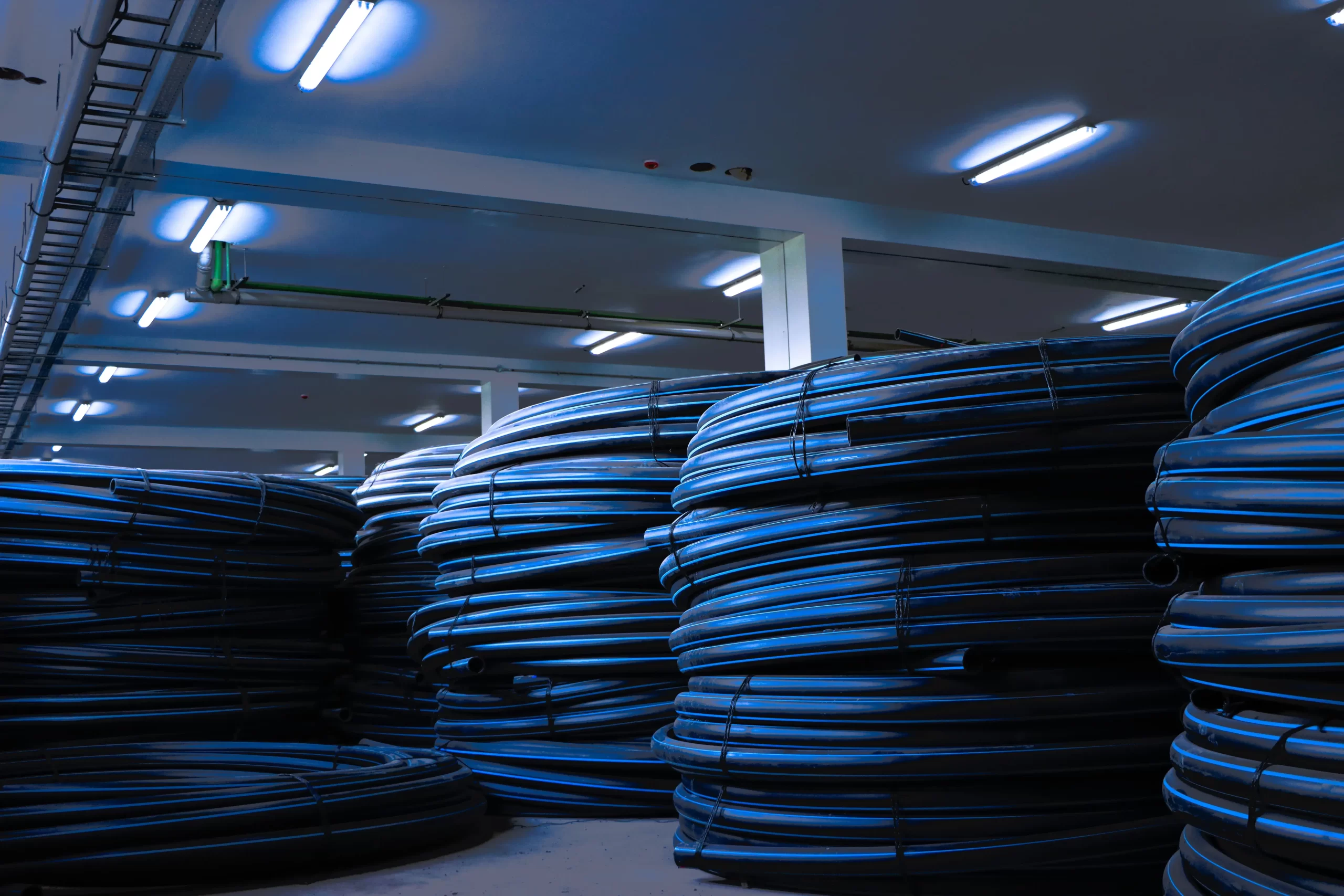
HDPE pipes are among the most cost-effective and versatile piping systems in Africa, proven effective in a wide range of applications, whether above ground, buried, slip-lined, floating, or even in sub-surface marine environments.

Designed for durability and performance, HDPE pipes safely transport potable water, wastewater, chemicals, hazardous materials, slurries, and compressed gases, making them ideal for use in oil, gas, mining, and industrial sectors. 

With the lowest repair frequency per kilometer and exceptional impact strength, HDPE pipes are highly resistant to damage during handling and installation, especially in built-up areas. Their non-corrosive, non-conductive properties and chemical resistance ensure long-lasting, maintenance-free service across diverse and demanding environments.

Alternative jointing design; butt fusion, electro-fusion, or compression fittings.

Applications

At GIL Kenya, we’re committed to using only the highest-grade raw materials and the latest manufacturing technology, earning us a trusted reputation as a leading supplier of HDPE pipes ranging from 16mm to 160mm in diameter.

Our HDPE pipes are engineered for reliability across a wide range of applications, including:

  • Water Supply Systems: Reliable for urban, rural, and community water distribution networks due to their leak-proof performance and long service life
  • Agricultural Irrigation: Ideal for drip, sprinkler, and irrigation systems—resistant to UV exposure and chemicals used in agriculture
  • Mining & Slurry Transport: Durable and abrasion-resistant for transporting mineral slurry, tailings, and other abrasive materials in harsh mining environments
  • Gas Distribution: High-strength and flexible for low- and medium-pressure gas networks, with tight joints that minimize leak risks
  • Underground Fire Protection Lines: Corrosion-free and dependable for firefighting systems, even in demanding underground conditions
  • Sewerage & Drainage Systems: Smooth internal surface and joint integrity make them perfect for gravity and pressure-based wastewater and stormwater networks
  • Compressed Air Systems: Resistant to high pressure and internal stress, ensuring safety in industrial air compression setups
  • Telecommunication Ducting: Used to protect fiber optic and copper cables, offering flexibility and protection from environmental and mechanical damage

Sizes Available:

  • 16mm to 160mm; PN6, PN8, PN10, PN12.5, PN16, PN20, PN25

Frequently Asked Questions

How can I find a genuine manufacturer for UPVC Pressure Pipes, HDPE Pipes, PPR Pipes, & Pipe fittings in Kenya?

To find a genuine manufacturer of uPVC, HDPE, and PPR pipes and fittings in Kenya, look for companies with certified quality standards, proven industry experience, and reliable after-sales support. General Industries Limited (GIL Kenya) is a trusted and established manufacturer known for producing high-quality piping solutions that meet international standards. Choosing GIL Kenya ensures durable, tested, and locally supported products for all your water and plumbing needs.

How does UPVC pipe performance compare to that of HDPE or PPR pipes in terms of pressure resistance and durability?

uPVC pipes offer excellent rigidity and corrosion resistance but are more brittle and less flexible under high pressure compared to HDPE and PPR pipes. HDPE pipes excel in pressure resistance and impact durability due to their flexibility, making them ideal for underground or dynamic applications. PPR pipes, while slightly less pressure-tolerant than HDPE, combine good thermal resistance and long-term strength, making them well-suited for hot and cold water systems.

How do I choose the right HDPE water pipe?

To choose the right HDPE water pipe, consider the pipe’s pressure rating (PN), diameter, and wall thickness according to your system’s water flow and pressure needs. Ensure it meets relevant standards such as ISO 4427 or ASTM D3035, and select a reputable manufacturer like GiL Kenya with certified quality testing. Also, match the pipe’s material grade (like PE80 or PE100) to your desired balance of flexibility, durability, and cost.

How do PPR pipes perform in terms of corrosion and chemical resistance?

PPR pipes offer excellent corrosion and chemical resistance, as their polypropylene material is inert to most acids, alkalis, and electrolytes. They do not rust or scale, ensuring clean water flow and long service life. This makes them particularly suitable for both residential plumbing and industrial fluid transport systems exposed to varying chemical environments.

Get A Quote


Frequently Asked Questions

How can I find a genuine manufacturer for UPVC Pressure Pipes, HDPE Pipes, PPR Pipes, & Pipe fittings in Kenya?

To find a genuine manufacturer of uPVC, HDPE, and PPR pipes and fittings in Kenya, look for companies with certified quality standards, proven industry experience, and reliable after-sales support. General Industries Limited (GIL Kenya) is a trusted and established manufacturer known for producing high-quality piping solutions that meet international standards. Choosing GIL Kenya ensures durable, tested, and locally supported products for all your water and plumbing needs.

How does UPVC pipe performance compare to that of HDPE or PPR pipes in terms of pressure resistance and durability?

uPVC pipes offer excellent rigidity and corrosion resistance but are more brittle and less flexible under high pressure compared to HDPE and PPR pipes. HDPE pipes excel in pressure resistance and impact durability due to their flexibility, making them ideal for underground or dynamic applications. PPR pipes, while slightly less pressure-tolerant than HDPE, combine good thermal resistance and long-term strength, making them well-suited for hot and cold water systems.

How do I choose the right HDPE water pipe?

To choose the right HDPE water pipe, consider the pipe’s pressure rating (PN), diameter, and wall thickness according to your system’s water flow and pressure needs. Ensure it meets relevant standards such as ISO 4427 or ASTM D3035, and select a reputable manufacturer like GiL Kenya with certified quality testing. Also, match the pipe’s material grade (like PE80 or PE100) to your desired balance of flexibility, durability, and cost.

How do PPR pipes perform in terms of corrosion and chemical resistance?

PPR pipes offer excellent corrosion and chemical resistance, as their polypropylene material is inert to most acids, alkalis, and electrolytes. They do not rust or scale, ensuring clean water flow and long service life. This makes them particularly suitable for both residential plumbing and industrial fluid transport systems exposed to varying chemical environments.