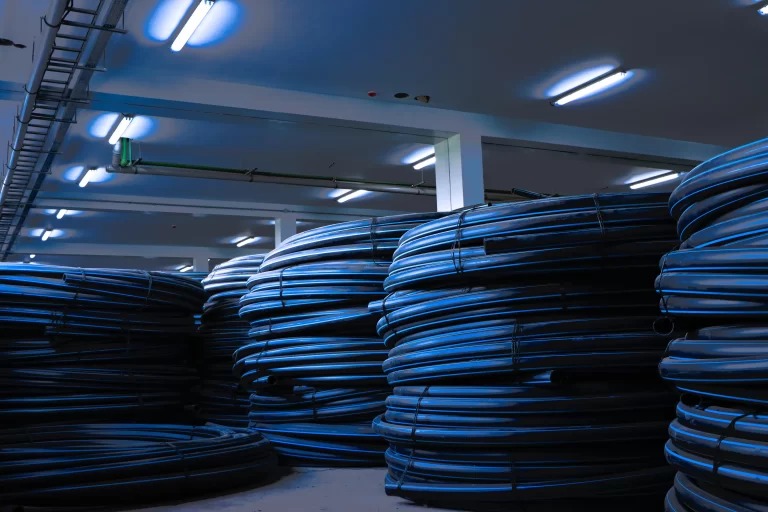
UPVC pressure pipes are widely used for water supply, irrigation, and plumbing because they are strong, corrosion-free, and easy to install.

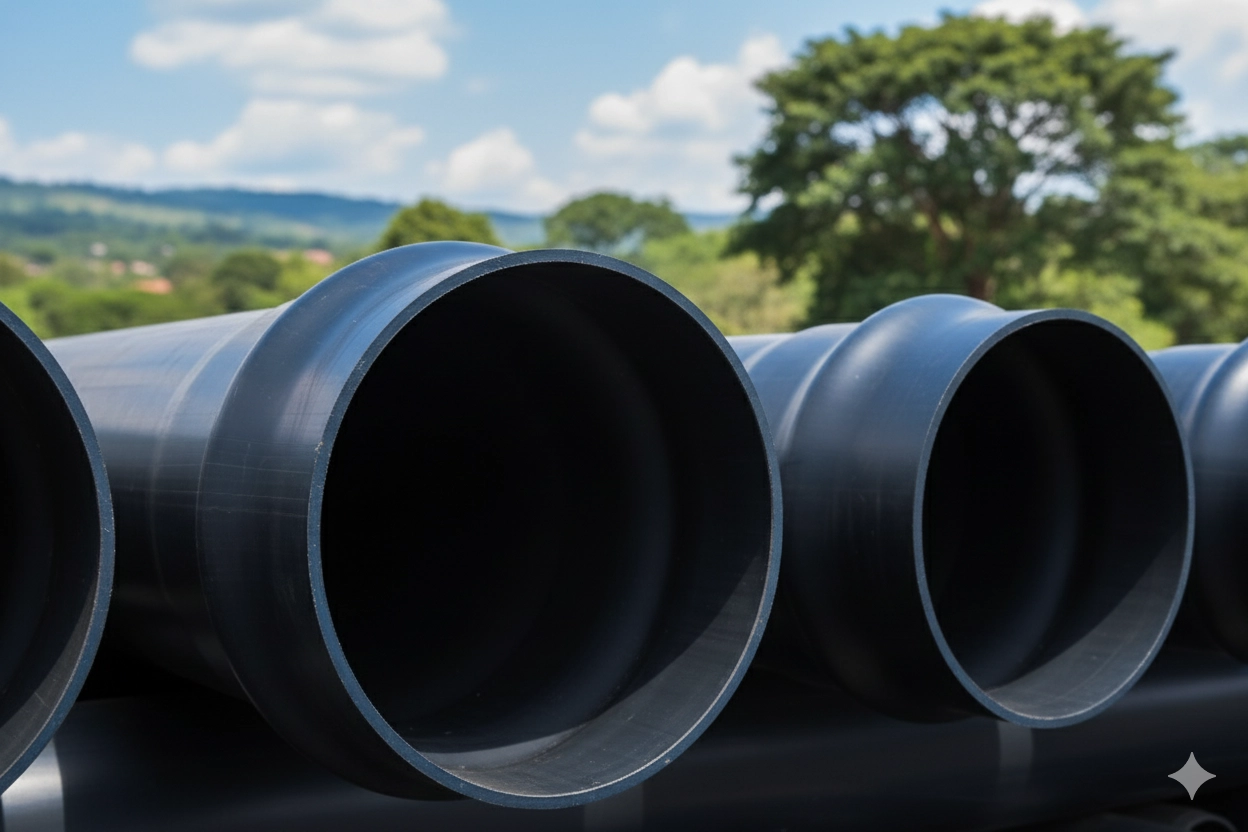
How to Choose the Right UPVC Pressure Pipe for Your Project
UPVC pressure pipes are commonly used for water supply, irrigation, and plumbing projects. Choosing the right pipe is important because the wrong pressure class can cause leaks, breakages, or low water flow.
This guide explains, step by step, how to choose the right UPVC pressure pipe in a simple and practical way.
Step 1: Understand Pressure Classes (PN Rating)
The PN rating tells you how much water pressure a pipe can safely handle. A higher PN number means the pipe can handle higher pressure.
For low-pressure uses like small irrigation lines, PN6 (Class B) is usually enough.
For slightly higher pressure systems, PN8 works well.
For most home and building water supply systems, PN10 (Class C) is commonly used.
When pressure is higher, such as in commercial or long-distance supply lines, PN12.5 is a better choice.
For high-pressure water mains and demanding applications, PN16 (Class E) is the safest option.
Always choose a pipe with a PN rating higher than your system pressure.
Step 2: Choose the Right Pipe Size
Pipe size affects how much water flows through the system. Small pipes reduce flow and cause pressure loss. Very large pipes increase cost.
Before selecting a size, consider:
- How much water is needed
- How far the water will travel
- How many outlets are connected
Correct sizing helps maintain steady water pressure and smooth flow.
Step 3: Match the Pipe to the Application
Different projects need different pressure pipes.
Irrigation systems usually use PN6 or PN8, depending on pump pressure.
Residential water supply commonly uses PN10 (Class C).
Commercial and municipal projects often require PN12.5 or PN16 for safety and durability.
Knowing your pump pressure or supply pressure makes selection easier.
Step 4: Check Pipe Quality
Good quality UPVC pressure pipes should have:
- Clear PN and size markings
- Smooth inner surfaces for better water flow
- Even thickness along the pipe
Quality pipes last longer and reduce maintenance problems.
Step 5: Install the Pipes Correctly
Proper installation is just as important as pipe quality. Use the correct fittings and solvent cement, keep pipes well aligned, and test the system after installation.
Final Words
Choosing the right UPVC pressure pipe helps prevent leaks, saves money, and improves system performance. By selecting the correct PN rating, size, and quality, your project will run smoothly for years.
Tags:pressure pipes