Behind every reliable electrical system is one silent but powerful protector electrical conduit pipes. These pipes may be hidden behind walls or underground, but they play a major role in wiring safety.

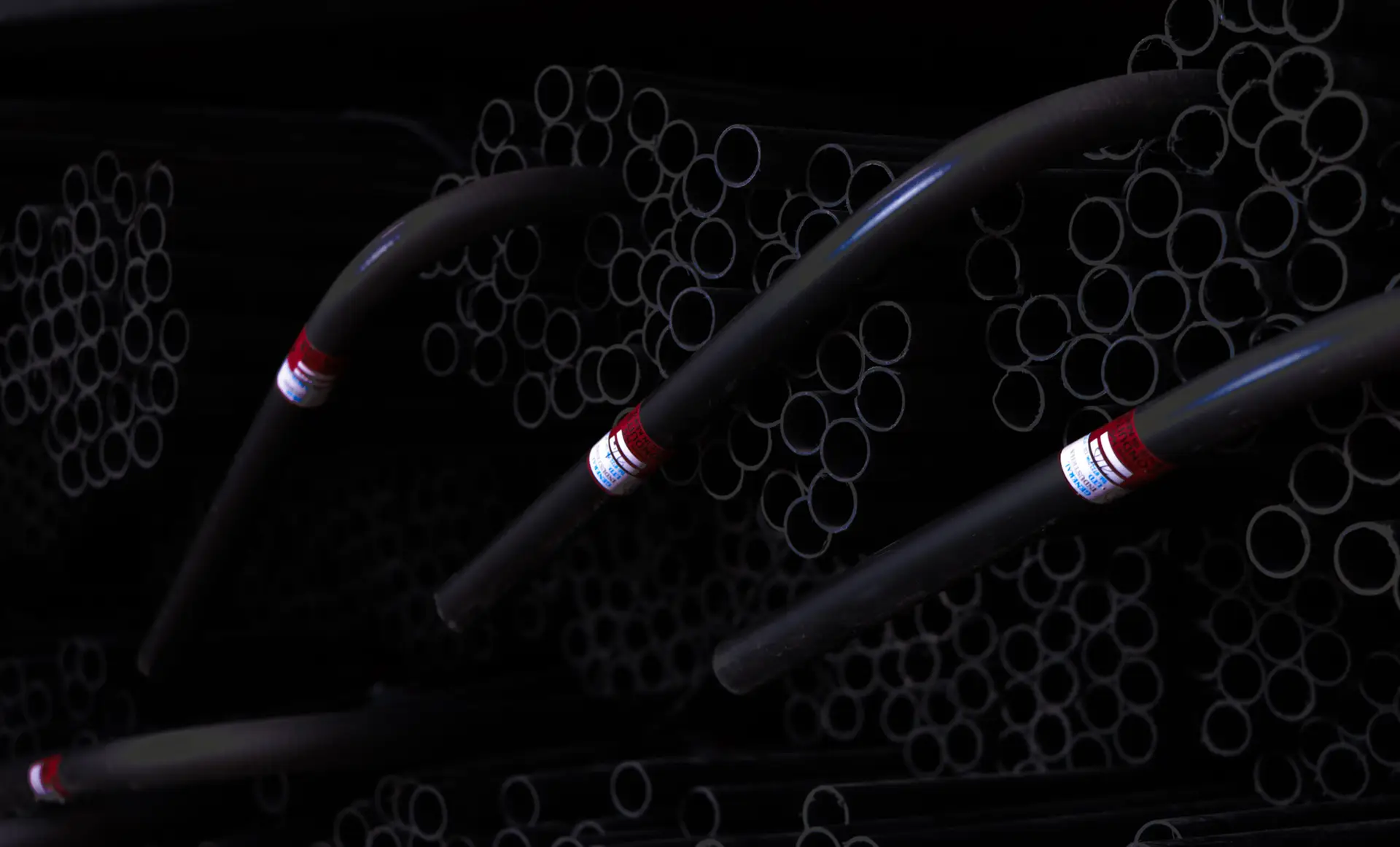
Electrical Conduit Pipes: Why They Matter for Wiring Safety in Every Building
When people think about electrical systems, they usually think about switches, sockets, lighting fixtures, or machines. What they don’t think about is what makes all of those things safe.
Without proper conduit protection, electrical cables would be exposed to moisture, rust, abrasion, pressure, and long-term damage. Over time, that exposure can lead to electrical faults, system failure, or even fire hazards.
Electrical conduit pipes are not just accessories in a building project. They are a foundation of safe and durable electrical installations.
What Are Electrical Conduit Pipes?
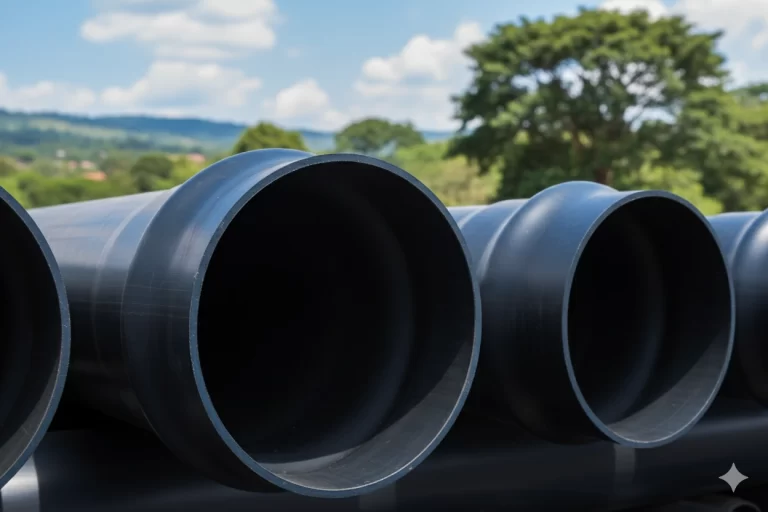
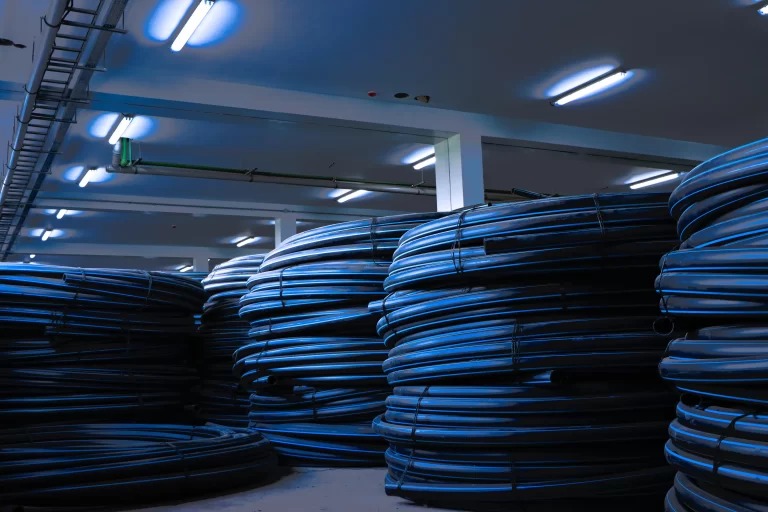
Electrical conduit pipes are protective tubes designed to carry and shield electrical wiring inside buildings and infrastructure.
Instead of placing cables directly inside concrete walls or underground soil, electricians run them through conduit pipes. This creates a protective pathway that separates the wiring from environmental risks.
In simple terms, electrical conduit pipes:
- Protect cables from physical damage
- Prevent moisture from reaching wiring
- Reduce the risk of rust and corrosion
- Improve electrical wiring safety
- Increase the lifespan of installations
They form a controlled, enclosed channel where cables can operate safely for years.
Why Wiring Safety Should Always Come First
Electricity powers modern life. From homes to factories, we rely on stable power every single day.
But electricity must be handled carefully.
When wiring is poorly protected, the risks increase significantly:
- Short circuits
- Electrical shocks
- Fire outbreaks
- Power interruptions
- Equipment damage
- Expensive repairs
Many electrical problems are not caused by the cable itself. They are caused by exposure exposure to moisture, pressure, corrosion, or abrasion.
This is where electrical conduit pipes become critical. They act as a barrier between electrical wiring and the outside world.
The Real Dangers Electrical Wiring Faces
To understand the importance of electrical conduit pipes, we need to understand the everyday threats facing electrical installations.
Structural Pressure and Construction Damage
During construction, wiring is installed before plastering, flooring, and finishing work begins. Once concrete is poured and walls are sealed, the wiring becomes inaccessible.
If cables are not protected inside conduit pipes, they can be:
- Crushed by heavy materials
- Punctured by tools
- Damaged during wall drilling
- Bent beyond safe limits
Even small hidden damage can lead to serious problems later.
Electrical conduit pipes protect wiring from this structural pressure, ensuring cables remain intact even after the building is completed.
Moisture Exposure and Water Damage
Moisture is one of the biggest threats to electrical wiring safety.
Water can enter electrical systems through:
- Underground seepage
- Roof leaks
- Condensation
- Humid environments
- Outdoor installations
When moisture reaches cables, insulation weakens. Over time, this can cause short circuits or electrical leakage.
Moisture resistant conduit pipes provide a protective barrier that reduces water exposure and helps maintain safe electrical performance.
In areas with high rainfall or humidity, moisture resistance becomes even more important for long-term durability.
Rust and Corrosion
Corrosion slowly weakens materials. In damp environments, rust can affect structural components and compromise protection.
Rust resistant electrical conduit systems are essential for maintaining long-term strength. When conduit pipes resist corrosion, they continue protecting wiring without degrading.
This is especially important in:
- Coastal regions
- Industrial areas
- High-humidity climates
- Underground installations
Rust resistance directly impacts the lifespan of the entire electrical system.
Abrasion and Friction
Over time, cables can move slightly due to temperature changes, building shifts, or vibration from machinery.
When cables rub against rough surfaces like concrete edges or metal components, the insulation can wear down. This process is called abrasion.
Abrasion resistant conduit pipes prevent direct contact between cables and harsh surfaces. This protects insulation and reduces the risk of exposed conductors.
Exposed wiring increases the chance of electrical faults. Preventing abrasion helps maintain long-term wiring safety.
How Electrical Conduit Pipes Improve Long-Term Reliability
Electrical installations are designed to last decades. Once walls are closed and floors are finished, accessing wiring becomes difficult and expensive.
This makes durability one of the most important factors in wiring safety.
Durable electrical conduit systems:
- Protect cables for many years
- Reduce maintenance needs
- Lower repair costs
- Prevent unexpected breakdowns
- Support consistent power supply
When conduit pipes are strong and reliable, the entire electrical system benefits.
Electrical Conduit Pipes in Residential Buildings
In homes, electrical wiring runs through every room. Families depend on safe electricity for lighting, cooking, charging devices, and daily comfort.
Electrical conduit pipes protect residential wiring from:
- Accidental drilling into walls
- Moisture in kitchens and bathrooms
- Pressure from concrete and plaster
- Long-term environmental exposure
Safe residential wiring is not visible, but it is built on strong protection.
Electrical Conduit Pipes in Commercial Spaces
Offices, retail stores, and business spaces rely heavily on uninterrupted electricity.
Even a minor wiring fault can disrupt operations and cause financial loss.
Conduit pipes for electrical installations provide:
- Organized cable routing
- Protection from moisture and dust
- Reduced risk of electrical failure
- Increased system reliability
In commercial environments, wiring safety directly impacts productivity and business continuity.
Electrical Conduit Pipes in Industrial Environments
Industrial facilities often operate in challenging conditions.
Electrical systems in these environments may face:
- Continuous vibration
- Heavy machinery movement
- High humidity
- Dust exposure
- Extended operating hours
Electrical conduit pipes provide the strength and abrasion resistance required in demanding industrial conditions.
By protecting wiring from environmental stress, conduit systems help prevent downtime and costly interruptions.
Fire Risk Reduction and Electrical Safety
Electrical faults can generate heat. If wiring insulation is damaged, sparks or overheating may occur.
Electrical conduit pipes help reduce fire risk by:
- Isolating wiring from surrounding materials
- Reducing exposure to moisture
- Protecting insulation from abrasion
- Maintaining structural integrity
Fire prevention begins with proper wiring protection. Conduit pipes are a critical part of that protection system.
The Cost of Ignoring Proper Conduit Protection
Some construction projects attempt to reduce costs by using lower-quality materials or skipping protective measures.
However, poor conduit protection can lead to:
- Cracking under pressure
- Moisture entry
- Reduced durability
- Increased maintenance
- Electrical hazards
The cost of repairing damaged wiring inside finished walls is far higher than investing in proper conduit pipes during installation.
Wiring safety should never depend on shortcuts.
Why Quality Matters in Electrical Conduit Pipes
Not all electrical conduit pipes offer the same level of performance.
High-quality conduit systems are designed for:
- Strength under pressure
- Long-term durability
- Reliable moisture resistance
- Strong abrasion protection
- Consistent structural integrity
Quality electrical conduit pipes protect not just cables they protect buildings, businesses, and people.
When selecting conduit systems, long-term performance should always be a priority.
Electrical Conduit Pipes and Future Expansion
Buildings evolve over time. New equipment may be installed, power demands may increase, and systems may need upgrades.
Conduit pipes create an organized pathway that makes future modifications easier and safer.
Instead of breaking walls or damaging wiring, cables can be adjusted or replaced within the protective conduit channel.
This flexibility improves the overall efficiency of electrical installations.
The Bigger Picture: Safety, Reliability, and Peace of Mind
Electrical conduit pipes work silently in the background. Once installed, they are rarely seen again.
But every day, they continue to:
- Protect wiring from moisture
- Prevent rust-related deterioration
- Reduce abrasion damage
- Improve durability
- Support safe electrical performance
They are an invisible layer of protection that ensures buildings remain safe and functional.
Electrical wiring safety is not just about today. It is about protecting the future of a building.
Conclusion: Electrical Conduit Pipes Are the Foundation of Wiring Safety
Electrical conduit pipes are one of the most important components in any electrical installation.
They protect cables from:
- Structural pressure
- Moisture exposure
- Rust and corrosion
- Abrasion and friction
- Environmental damage
From residential homes to large industrial facilities, conduit pipes provide the durability and protection required for long-term wiring safety.
Safe electrical systems do not happen by accident. They are built with proper planning, strong materials, and reliable protection.
And at the core of that protection are high-quality electrical conduit pipes.