Among modern piping materials, PPR pipes have become a preferred solution for both residential and commercial hot and cold water systems.

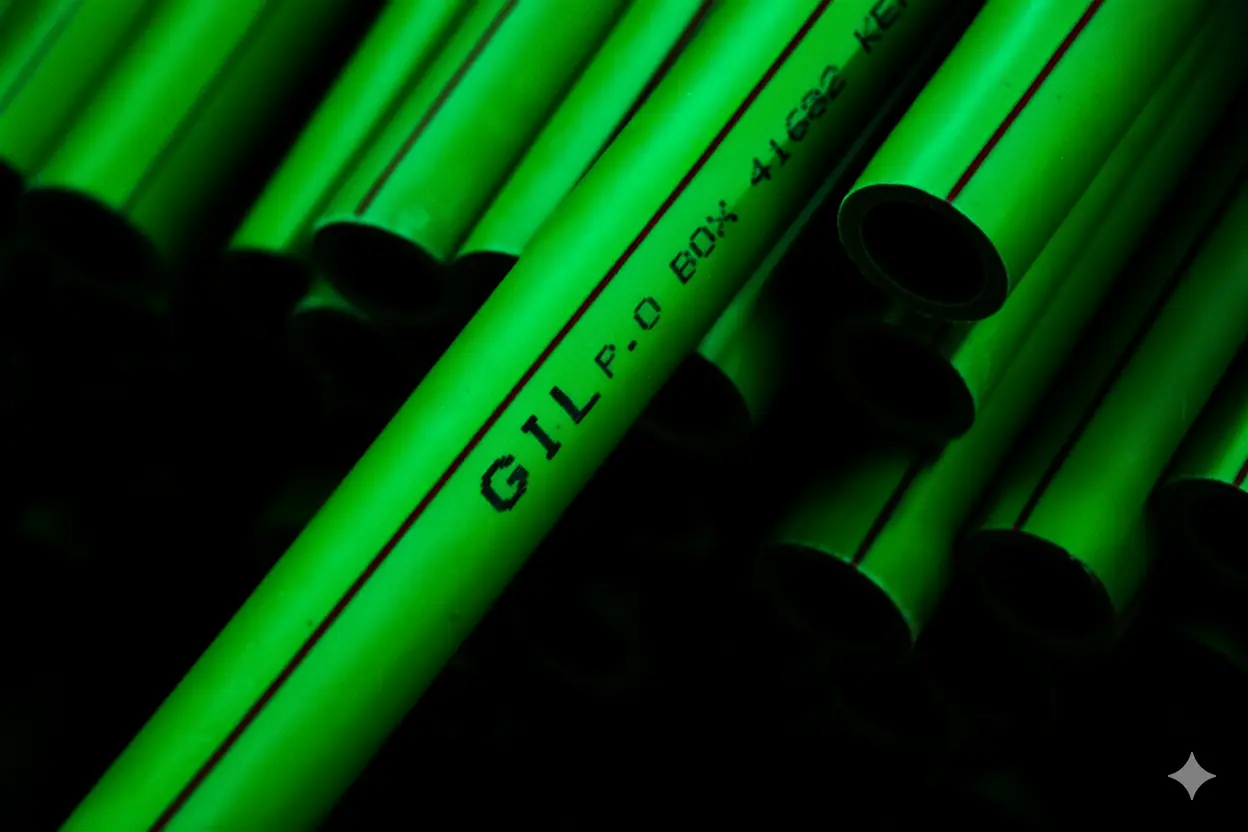
PPR Pipes Explained: The Smart Choice for Hot & Cold Water Systems
When designing or upgrading a plumbing system, the type of pipe used determines not only durability but also water safety and energy efficiency.
So, what makes them stand out?
What Are PPR Pipes?
PPR stands for Polypropylene Random Copolymer, a thermoplastic material engineered for pressure piping systems. It is widely used for transporting drinking water, hot water, and cold water due to its balanced mechanical and thermal properties.
Unlike traditional metal pipes, PPR does not corrode, rust, or react with water making it a cleaner and more reliable option.
Why PPR Pipes Are Ideal for Water Distribution
Low Thermal Conductivity = Better Energy Efficiency
PPR pipes naturally insulate water because of their low heat transfer rate. This means:
- Hot water stays warm longer
- Cold water lines produce less condensation
- Energy losses are reduced
For buildings with water heaters or centralized systems, this translates into improved efficiency and lower operating costs.
Corrosion Resistance for Long-Term Performance
Corrosion is one of the biggest causes of plumbing failure in metal piping systems. PPR pipes eliminate this concern by being chemically inert and resistant to scaling.
The result?
- Smooth internal surfaces
- Consistent water pressure
- Minimal maintenance requirements
Safe for Drinking Water
Water safety is non-negotiable. PPR material is hygienic and approved for potable water use in many regulatory standards worldwide.
It does not release harmful substances into water, making it suitable for:
- Homes
- Hospitals
- Schools
- Commercial buildings
Reliable Under Heat and Pressure
Hot water systems demand materials that can handle continuous temperature variation. PPR pipes are engineered to withstand both high temperatures and pressure without structural failure.
Their fusion welding joint system also creates leak-proof connections, enhancing system reliability.
Final Thoughts
Choosing the right piping system affects water quality, operational efficiency, and long-term costs. With benefits such as low thermal conductivity, corrosion resistance, potable water safety, and durability, PPR pipes offer a modern solution for hot and cold water systems.
For infrastructure that demands performance and longevity, PPR is a practical and forward-thinking choice.