Whether it’s a borehole setup, a greenhouse irrigation system, or a large-scale water distribution project, the type of pipes you use and more importantly, where you source them can directly affect the success of your work.

Choosing the Right HDPE Pipe Manufacturer in Kenya
Across Kenya, demand for quality piping systems continues to grow as construction, irrigation, and infrastructure projects expand.
With many options in the market, choosing among the best pipe manufacturers in Kenya is not always straightforward. Different manufacturers offer different quality levels, pricing, and support. This is especially true when dealing with HDPE pipe manufacturers in Kenya, where performance and consistency are critical.
This guide breaks down what you need to look for so you can make a confident, informed decision.
Understanding the Types of Pipes Available in Kenya
Before choosing a manufacturer, it’s important to understand the common types of pipes available and where each fits best.
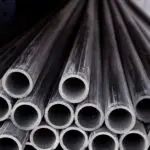
The most widely used options include HDPE, uPVC, and PPR pipes.
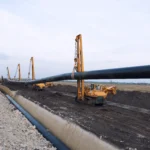
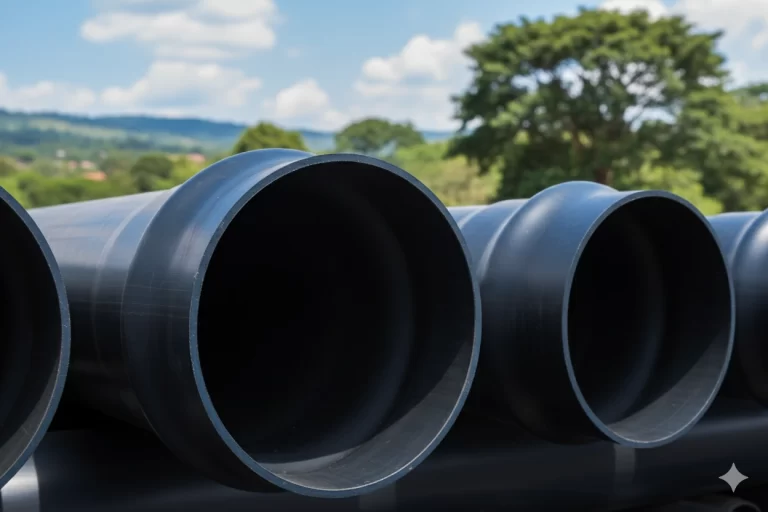
HDPE pipes are commonly used for water supply, irrigation, and drainage systems. They are flexible and work well in areas with shifting soil or long-distance installations.
uPVC pipes are popular in plumbing, drainage, and electrical conduit systems. Many uPVC pipe manufacturers in Kenya supply pipes suited for both residential and commercial applications.
PPR pipes are mostly used for hot and cold water systems, especially in buildings.
While each type has its place, HDPE pipes have become a preferred choice for many contractors due to their versatility and ease of installation.
Why HDPE Pipes Are a Preferred Choice
HDPE pipes are widely used across Kenya for a reason they offer practical advantages that directly benefit installers and project owners.
One key advantage is flexibility. HDPE pipes can bend without breaking, which makes them ideal for uneven terrain or long pipeline runs. This reduces the need for multiple fittings and joints.
They are also resistant to corrosion and chemicals, making them suitable for both clean water and agricultural use.
Another important factor is cost efficiency. While some buyers focus only on upfront cost, experienced contractors look at long-term value. When comparing HDPE pipes Kenya price, it’s important to consider durability and reduced maintenance costs over time.
HDPE pipes also come in different pressure ratings and sizes. Understanding HDPE pipe specifications Kenya helps ensure you select the right pipe for your specific application, whether it’s low-pressure irrigation or high-pressure water transmission.
Key Factors to Consider When Choosing a Pipe Manufacturer
Choosing the right manufacturer goes beyond just finding a supplier. You need a partner who can consistently meet your project needs.
Product Quality & Standards
Quality should always come first. Pipes must meet recognized standards such as KEBS and ISO.
A good manufacturer will maintain consistent wall thickness, proper material composition, and reliable pressure ratings. Always confirm that the products meet required HDPE pipe specifications Kenya to avoid failures during installation or use.
Range of Products Offered
A reliable manufacturer should offer a wide range of products, including different pipe sizes, pressure classes, and materials.
This is especially useful if your project requires multiple piping solutions. Instead of sourcing from different vendors, you can work with one supplier who understands your full requirements.
Pricing & Value for Money
Price matters but it shouldn’t be the only factor.
When evaluating HDPE pipes Kenya price, look at what you’re getting in return. Lower prices may sometimes mean compromised quality or inconsistent supply.
A good manufacturer will offer fair pricing that reflects both product quality and long-term performance.
Reliability of Supply
Delays in pipe supply can slow down entire projects.
Working with reliable pipe suppliers in Kenya ensures that you get your materials on time and in the required quantities. This is especially important for large or ongoing projects where consistency is key.
Check whether the manufacturer can handle bulk orders and maintain stock availability.
Technical Support & Expertise
Not all projects are straightforward. Sometimes you need guidance on pipe selection, pressure ratings, or installation methods.
A good manufacturer should be able to offer technical support when needed. This can save time, reduce errors, and improve overall project efficiency.
How to Identify Reliable Pipe Suppliers in Kenya
With many suppliers in the market, it’s important to know how to separate serious manufacturers from unreliable ones.
Start by looking at experience. Established suppliers usually have a track record of completed projects and repeat clients.
Customer feedback is another strong indicator. Contractors often share their experiences, and this can help you identify reliable pipe suppliers in Kenya.
You should also assess their consistency. Can they deliver the same quality every time? Do they meet deadlines?
On the other hand, watch out for red flags such as unclear product specifications, inconsistent pricing, or lack of certification.
Comparing HDPE Pipe Manufacturers in Kenya
Not all manufacturers operate at the same level.
Some focus on high-volume production, while others prioritize customized solutions. When comparing HDPE pipe manufacturers in Kenya, consider factors such as:
Production capacity
Quality control processes
Availability of modern equipment
Distribution network
It may also help to visit the manufacturing facility or request product samples. This gives you a clearer picture of what to expect.
Where to Buy HDPE Pipes in Kenya
One common question among buyers is where to buy HDPE pipes in Kenya.
You generally have two options: buying directly from manufacturers or through distributors.
Buying directly from a manufacturer often gives you better pricing, especially for bulk orders. It also reduces the risk of counterfeit or substandard products.
Distributors, on the other hand, may offer convenience for smaller or urgent purchases.
The right choice depends on your project size and timeline, but for long-term projects, working directly with a manufacturer is usually the better option.
Questions to Ask Before Choosing a Manufacturer
Before making a final decision, it’s important to ask the right questions:
Are your pipes certified to KEBS or international standards?
What pressure ratings and sizes do you offer?
Can you handle large or ongoing orders?
What is your delivery timeline?
Do you provide technical support or guidance?
The answers will help you assess whether the supplier is a good fit for your needs.
Cost vs Quality: Making the Right Decision
It’s easy to focus on price, especially when working within a budget. However, choosing the cheapest option can lead to higher costs in the long run.
Low-quality pipes may fail, leak, or require frequent replacement. This leads to additional labor costs and project delays.
Instead of focusing only on HDPE pipes Kenya price, consider overall value durability, performance, and reliability.
A slightly higher upfront cost can result in significant savings over time.
Final Thoughts: Choosing the Right Partner
Choosing the right pipe manufacturer is not just about completing one project it’s about building a reliable supply chain for future work.
The best manufacturers offer consistent quality, dependable supply, and practical support when needed.
As demand for piping systems continues to grow in Kenya, working with the right partner can make a real difference in how efficiently your projects run.